
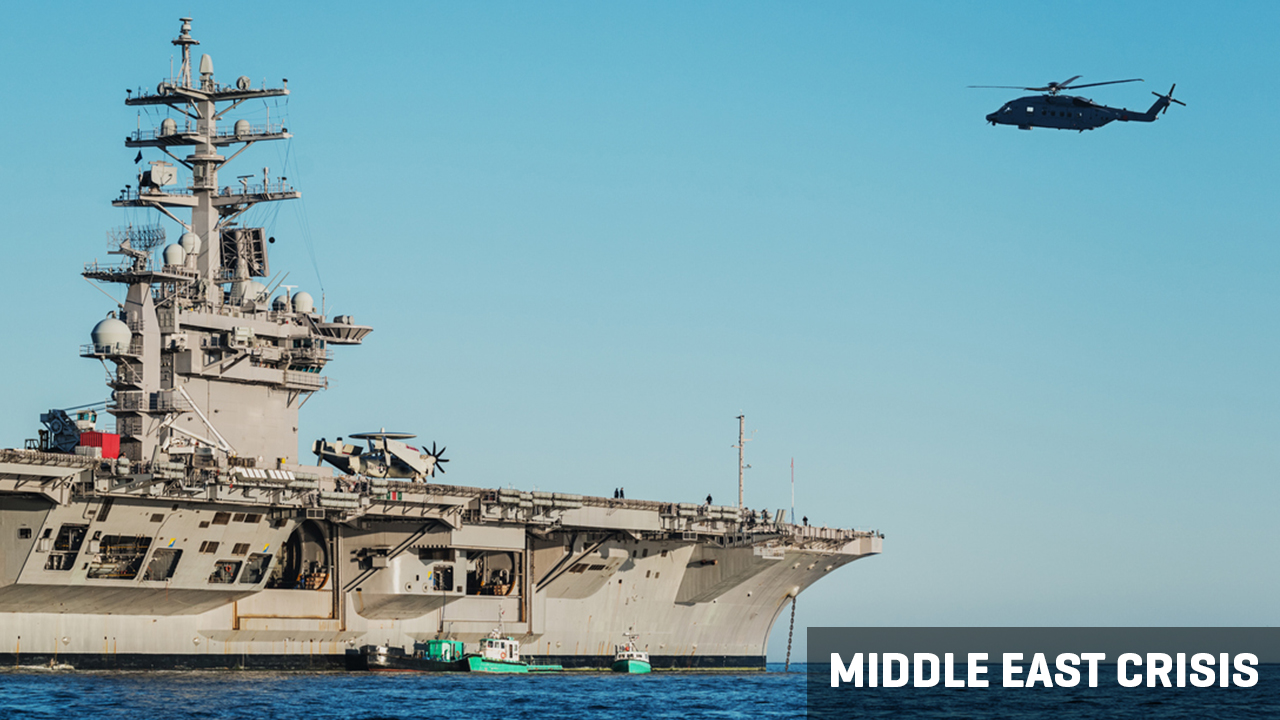
The US-led blockade of Iran’s shipping around the country’s ports and coastal areas is now under way, following the collapse of negotiations in Islamabad earlier this week.
The targeted enforcement is focused on vessels connected to Iranian trade, said Craig Reilly, CEO of Dubai-headquartered FIDI Affiliate DASA International Movers, in his latest LinkedIn update on the situation.
‘This is not a full seal of the Strait for all vessels,’ he said. ‘What the blockade targets specifically is anything touching Iranian ports, loading Iranian cargo or suspected of having paid Tehran’s transit toll.’ In recent weeks, some vessels have reportedly paid fees via intermediaries linked to Iran’s Islamic Revolutionary Guard Corps (IRGC) to secure safe passage along the coast. Under the US action, those vessels are now at heightened risk of inspection, diversion or detention.
According to Reilly, the result is that any vessel in a supply chain that needs to use these routes requires an immediate legal and compliance review before moving again. He called it ‘an active and immediate’ compliance risk.
Meanwhile, security risks are also increasing on some alternative routes, including the Red Sea, where Houthis have threatened to restart attacks on ships – just a few weeks after they had stopped and transits through the area had resumed.
Reilly advised shippers to reassess their supply chain risks immediately, update costing models and avoid high-risk routes wherever possible.
You can read Reilly’s full update here.
Elsewhere, there have been business uplifts for some Affiliates offering storage capacity to shippers who have been hit by the crisis.
Otso Massala, Director of Singapore-based CFM Alliance, told FIDI Focus: ‘Due to the straightforward and predictable customs procedures for the temporary import and re-export, Singapore has proven to be a popular contingency hub for the personal effects shipments which were on water towards Middle East when the waterways closed.
‘We have seen much more transhipment storage business in our Singapore warehouse, when our partners had to find an efficient place for storing the shipments which bounced back from the Middle East.’