
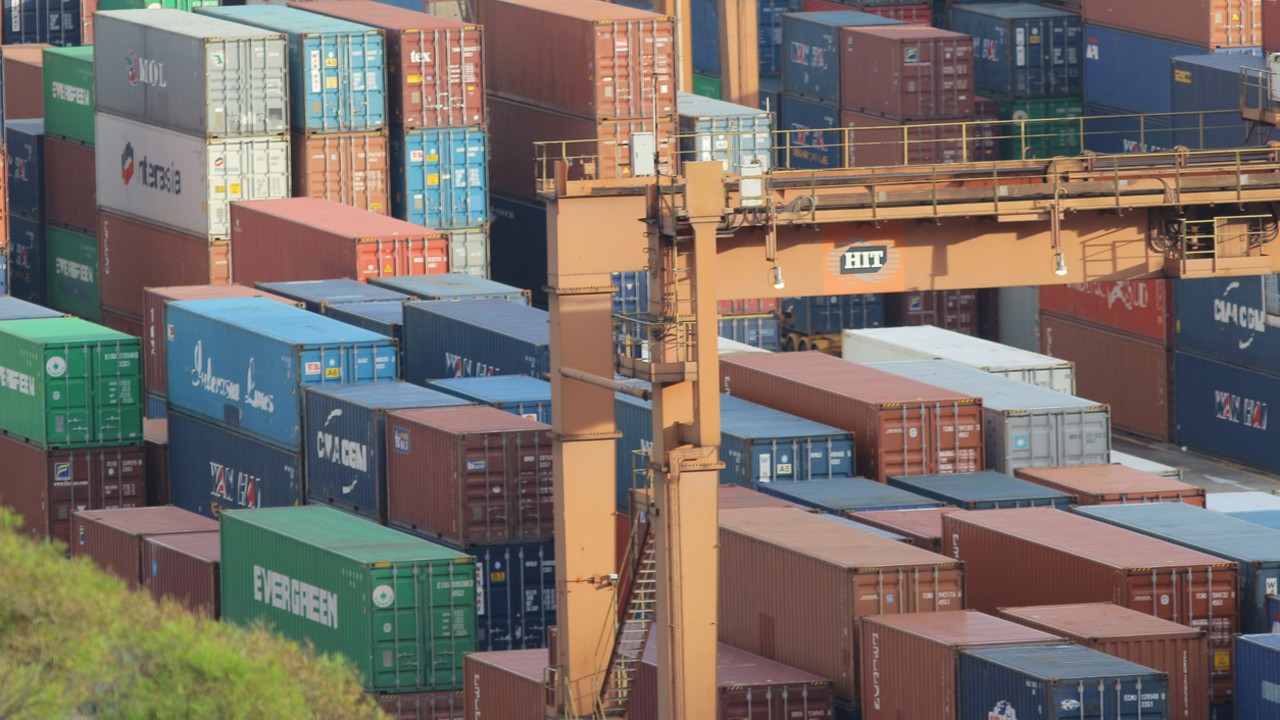
The 240-container Suigang 02 is expected to cut more than 550 tonnes of carbon emissions a year as China tests the model for cleaner coastal freight.
A fully electric container vessel has begun operating between Guangzhou and Hong Kong in what state media described as the first zero-carbon shipping route in the Guangdong-Hong Kong-Macao Greater Bay Area.
The vessel, Suigang 02, left Guangzhou carrying furniture and household goods made in Guangdong province. According to the report, the ship can carry 240 standard containers and uses an intelligent operating system to digitally manage energy use, equipment performance and coordination between ship and shore. Backers of the route say the electric design eliminates emissions during sailing and sharply reduces noise, with one vessel expected to cut more than 550 tonnes of carbon emissions a year and around 19,000 tonnes over its operating life. The project has also been included on a national list of demonstration projects for advanced green and low-carbon technologies, positioning it as a possible model for wider electrification of inland and coastal shipping in China.
Source Reference Map
Inspired by headline at: [1]
Sources by paragraph:
– Paragraph 1: [1]
– Paragraph 2: [1]
Source: Noah Wire Services
Verification / Sources
- https://curierulnational.ro/prima-ruta-navala-de-containere-cu-emisii-zero-de-carbon-intre-guangzhou-si-hong-kong/ – Please view link – unable to able to access data
Noah Fact Check Pro
The draft above was created using the information available at the time the story first
emerged. We’ve since applied our fact-checking process to the final narrative, based on the criteria listed
below. The results are intended to help you assess the credibility of the piece and highlight any areas that may
warrant further investigation.
Freshness check
Score: 8
Notes: The article reports on the inaugural voyage of the ‘Suigang Dianhang 02’ electric container vessel on October 13, 2026. This event has been covered by multiple sources, including Wedoany and Xinde Maritime News, with publication dates of October 13 and October 14, 2026, respectively. The earliest known publication date is October 13, 2026. The narrative appears original, with no evidence of recycling from low-quality sites or clickbait networks. However, the presence of multiple sources reporting similar information raises questions about the originality of the content. The article includes updated data but recycles older material, such as the vessel’s specifications and emission reduction estimates. Given the multiple sources and the recency of the event, the freshness score is 8.
Quotes check
Score: 7
Notes: The article includes specific figures, such as the vessel’s capacity of 240 standard containers and emission reductions of over 550 tonnes of carbon annually. These figures are consistent with information from other sources, including Wedoany and Xinde Maritime News. However, the article does not provide direct quotes from individuals or organizations, making it difficult to verify the authenticity of the information. The lack of direct quotes raises concerns about the verifiability of the claims. Given the consistency with other sources but the absence of direct quotes, the quotes score is 7.
Source reliability
Score: 6
Notes: The article originates from Wedoany, a news aggregator site that compiles content from various sources. While Wedoany provides a broad overview, it may not offer in-depth analysis or original reporting. The article cites information from other sources, including Wedoany and Xinde Maritime News, which are also news aggregator sites. The reliance on multiple aggregator sites without direct access to primary sources raises concerns about the reliability and independence of the information. Given the reliance on aggregator sites and the lack of direct access to primary sources, the source reliability score is 6.
Plausibility check
Score: 8
Notes: The claims about the ‘Suigang Dianhang 02’ vessel’s capacity and emission reductions are plausible and align with information from other sources. The vessel’s specifications and the environmental benefits of electric container ships are consistent with industry trends. However, the absence of direct quotes and reliance on aggregator sites without access to primary sources makes it difficult to fully verify the claims. Given the plausibility of the claims but the lack of direct verification, the plausibility score is 8.