
Available for the first time in an exciting new digital format, the FIDI Focus State of the Industry report 2026 brings together the key trends impacting the future of global mobility. FIDI Focus gives you a flavour of the report – which is now available free online.
FIDI Focus has released its 2026 State of the Industry report, which looks at the trends that have influenced the global mobility sector during the past year – and those that will continue to have an impact in the immediate future. In addition to being launched in an exciting new animated online format, the sixth edition of the annual report reveals the international industry’s reaction to the new wave of disruption that arrived unscheduled in late February this year.
When research for the report began in the final quarter of 2025, there was a cautious sense that the industry might finally be emerging from a prolonged period of uncertainty. Businesses were showcasing their resilience and discipline. However, the escalation of conflict in the Middle East served as a reminder of the volatility facing mobility operators and shifted the report’s focus back towards adaptation and recalibration.
A world defined by uncertainty
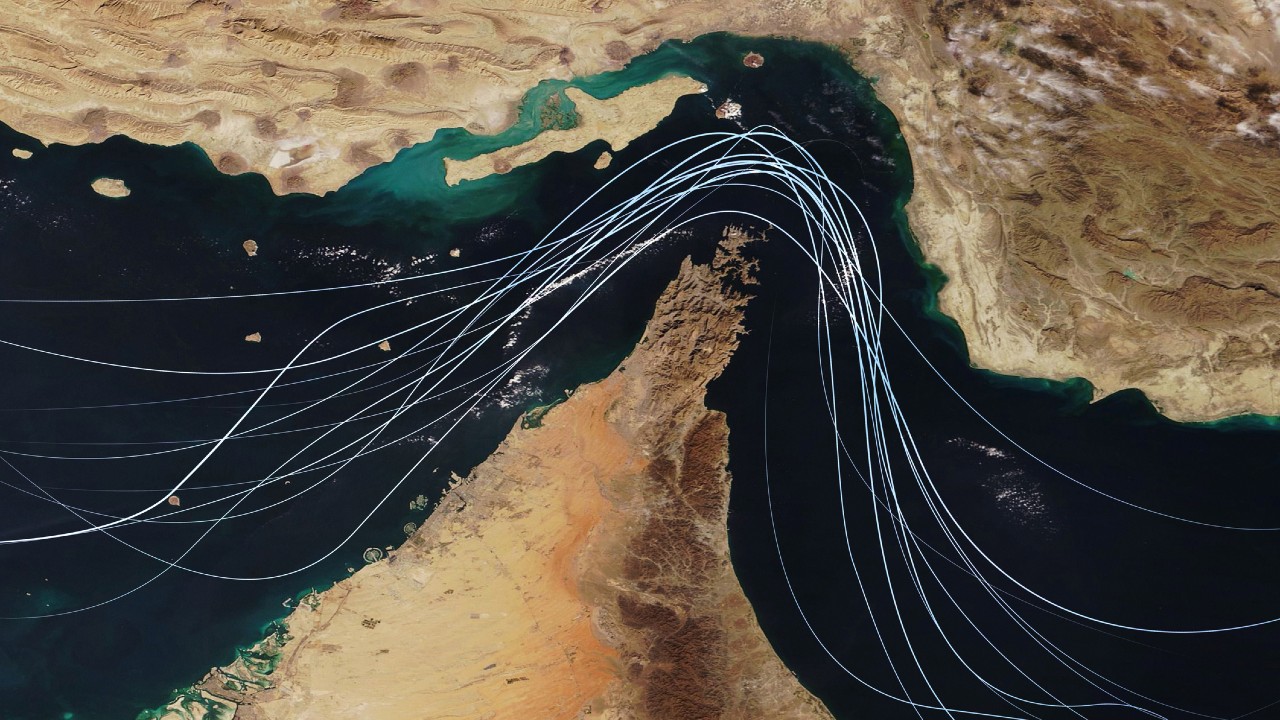
The report says the conflict had an immediate impact on shipping routes and transit times. Operators have been forced to reroute vessels from the Strait of Hormuz and other high-risk areas, while insurers have increased premiums and introduced restrictions. FIDI Secretary General Jesse van Sas warned Affiliates to set realistic expectations around timing, routing and costs, noting that disruption and volatility now need to be managed as part of normal business planning.
But geopolitical instability is only one of the challenges facing the industry. According to AIRINC’s Mobility Outlook Survey, geopolitical tensions and immigration policy changes are now considered the two biggest concerns for mobility professionals worldwide. Managing regulatory change, shifting customer expectations, technological transformation and ongoing global instability are also high on the agenda. The report argues that success is less about predicting the future and more about adapting quickly to change.
Trade flows are changing
The report examines how companies are diversifying supply chains and reducing exposure to geopolitical risk. This is changing patterns of global investment, with countries such as Vietnam, India, Thailand and Singapore benefiting from increased investment and production. As new mobility corridors emerge, demand for skilled employees, local expertise and relocation support is growing. At the same time, businesses must navigate stricter immigration requirements and local regulations, making up-to-date knowledge increasingly important.
Diversification is also vital
Diversification remains a key strategy for growth as traditional household goods volumes decline and employee preferences evolve. Destination services are becoming increasingly important. As Robert Cormier of Paramount Transportation Systems notes, focusing solely on household goods moving is no longer enough for sustainable growth. The report highlights destination services as a logical area for expansion, enabling companies to strengthen client relationships and create new revenue streams, although this requires investment, training and commitment to quality.
Mobility becomes more strategic
The role of global mobility is evolving from an operational function into a strategic business tool that supports talent development, business expansion and organisational resilience. Bob Rosing of Dwellworks notes that mobility generates valuable information about costs, markets, trends and customer expectations. As a result, mobility providers are increasingly moving into advisory roles, helping clients with compliance, risk management, workforce planning and market conditions.
The report also notes a growing preference for shorter-term assignments, project-based deployments and flexible arrangements over traditional long-term expatriate moves. This creates opportunities for providers to deliver more agile and personalised support.
What do customers value most?
Research cited in the report shows that communication and transparency are among the factors employees and assignees value most. They expect clear communication, flexible policies, technology-enabled services and stronger support throughout the relocation process. Trust, openness and effective expectation management are increasingly important as organisations seek partners who can help them navigate complexity. The value of a relocation programme is now defined not only by the move itself but also by the overall experience.
These changes are also reshaping the relocation management company (RMC) model. Technology and digital integration are improving visibility across supply chains, transforming RMCs into technology-enabled coordinators focused on programme management, transparency and strategic oversight. At the same time, moving companies and destination service providers may find opportunities to play more integrated roles within mobility programmes.
The staff challenge
Despite rapid technological change, the report emphasises that people remain the industry’s most important asset. Talent shortages, skills gaps and changing workforce expectations continue to affect organisations across the sector. Mobility professionals increasingly need a combination of operational expertise, cultural awareness, problem-solving ability, technological literacy and strategic advisory skills.
Professional development is becoming essential as technology evolves, regulations change and customer expectations rise. Meanwhile, a generational transition is bringing new perspectives on technology, sustainability and workplace culture. The report stresses the importance of balancing fresh ideas and digital fluency with experience, judgement and relationship-building skills.
Wellbeing moves centre stage
Organisations are increasingly recognising the role employee wellbeing plays in successful assignments. Transferees expect support that considers family needs and wellbeing as part of the relocation experience. Communication, flexibility and wellbeing support are becoming ever more important as employers focus on helping employees and their families settle successfully and thrive in new environments.
The two faces of tech
Technology and artificial intelligence feature prominently throughout the report. Many organisations are exploring AI applications in areas such as shipment tracking, document processing and quotation support, although widespread adoption is still some way off. The report suggests that the most successful organisations will take a structured, incremental approach to technology rather than waiting for a single breakthrough. Real-time visibility, proactive communication and digital convenience are increasingly seen as basic expectations rather than competitive advantages. At the same time, cyber security is now considered a strategic business issue rather than simply an IT concern.
A new era for sustainability
Sustainability is increasingly being integrated into core business operations rather than treated as a standalone initiative. Clients, regulators and procurement teams are demanding greater transparency and meaningful sustainability data. As a result, sustainability is becoming a fundamental component of competitiveness, resilience and long-term business success.
What comes next?
Despite the upheaval and uncertainty experienced during the early months of 2026, the report concludes on an optimistic note. Industry leaders recognise that conditions are unlikely to become easier, but many believe their organisations are now stronger, more adaptable and better prepared for future crises. The businesses thriving today are those investing in people, embracing technology, diversifying services, strengthening partnerships and focusing relentlessly on quality. While volatility is likely to remain a feature of the global landscape, the international mobility industry is increasingly capable of responding to whatever comes next.
You can read the 2026 FIDI Focus State of the Industry report free of charge, here.