
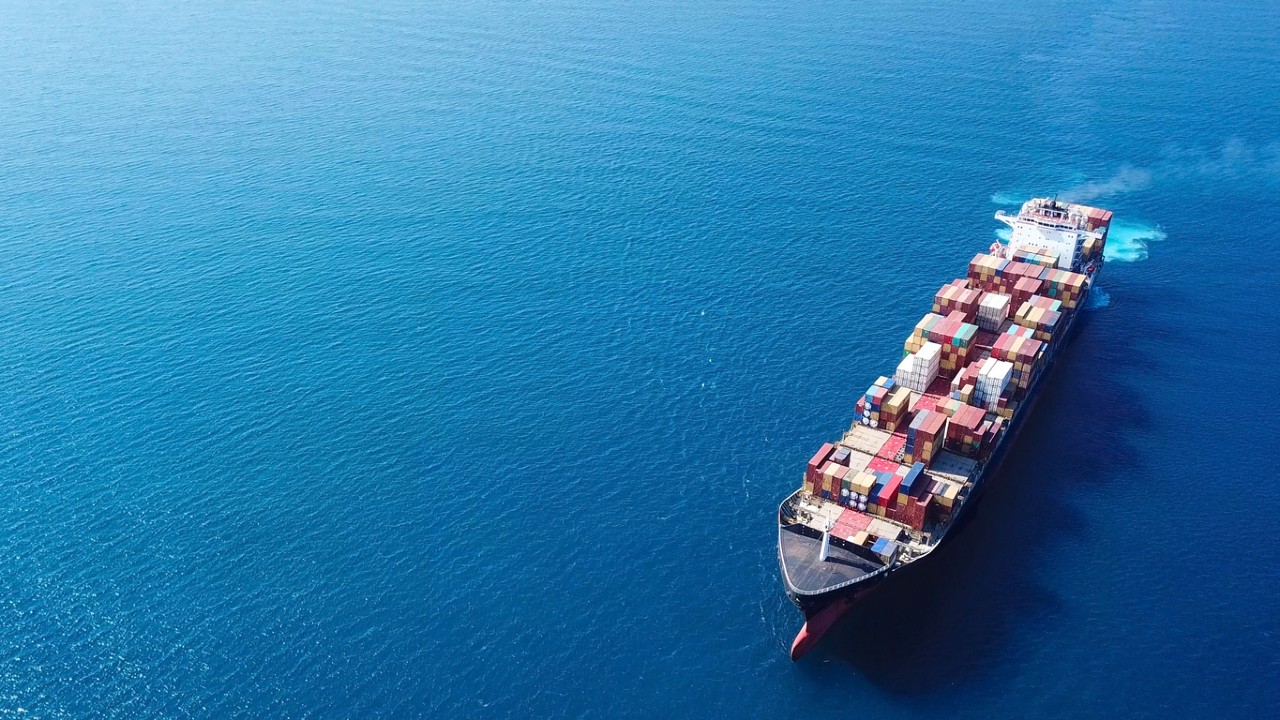
Maersk has warned customers that heavy rainfall and localised flooding could disrupt cargo movements across East Africa between October and December 2026, with the carrier saying the region is likely to face wetter-than-normal conditions as El Niño strengthens. The advisory points to risks across overland transport, port access and terminal handling, and reflects a wider expectation that rainfall totals in some areas could climb well above seasonal averages. According to the World Meteorological Organization, El Niño is intensifying and is expected to peak towards the end of the year, altering rainfall patterns and raising the risk of floods in vulnerable regions.
The shipping group said damaged roads and flooded routes could make it harder for trucks to reach ports, depots and inland delivery points, leading to slower transit, longer turnaround times and temporary interruptions on some corridors. Industry reports based on the advisory say that congestion and reduced fleet availability could further stretch delivery schedules, particularly where road access is already limited or where transport networks are heavily dependent on a small number of links. Maersk also warned that cargo unable to arrive on time could miss terminal cut-offs, creating a greater risk of rolled bookings for exports.
Terminal operations may also feel the strain. Maersk said heavy rain could slow or briefly halt yard activity, affecting loading and unloading operations and increasing the likelihood of containers building up in storage areas. That would in turn raise congestion at yards, lengthen vessel dwell times and make retrieval of containers more difficult. The company’s warning suggests that both import and export flows could be affected if weather conditions persist through the quarter.
The carrier advised shippers to build in additional lead time, particularly for freight moving through flood-prone areas or for consignments with tight deadlines. It recommended that export cargo be delivered earlier than usual, with shipping instructions and customs paperwork submitted promptly to avoid administrative delays compounding transport problems. For imports, Maersk said customers should prioritise customs clearance and arrange quick collection once goods are available.
The guidance also urged customers to check road conditions and ensure consignees are ready before arranging final-mile transport, especially for temperature-controlled or otherwise time-sensitive shipments. While no widespread disruption has been declared, Maersk said it is monitoring conditions closely as forecasts from the IGAD Climate Prediction and Applications Centre indicate a strong chance of above-normal rainfall across much of East Africa. Separate commentary reported that some areas could see cumulative rainfall in excess of 400 millimetres, underlining the scale of the weather risk facing supply chains through the end of the year.
Source Reference Map
Inspired by headline at: [1]
Sources by paragraph:
– Paragraph 1: [2], [5]
– Paragraph 2: [3], [6]
– Paragraph 3: [2], [6]
– Paragraph 4: [2], [3], [7]
– Paragraph 5: [2], [4], [5]
Source: Noah Wire Services
Verification / Sources
- https://www.seanews.com.tr/article/maersk-warns-of-cargo-disruptions-in-east-africa-due-to-heavy-rainfall-mv49hi4k – Please view link – unable to able to access data
- https://www.maersk.com.cn/news/articles/2026/10/06/east-africa-heavy-rainfall-cargo-disruptions – Maersk has issued an advisory warning customers of potential disruptions to cargo operations in East Africa due to heavy rainfall and localized flooding expected between October and December 2026. The El Niño-driven rains are forecasted to exceed normal levels, potentially affecting overland transport, port facilities, and terminal operations. Flooding and damaged road infrastructure could restrict access to ports, terminals, depots, and inland distribution points, leading to delays in cargo transit, temporary closures of certain transport corridors, and increased truck turnaround times. Maersk advises customers to incorporate additional lead time into their transport schedules, especially for flood-prone areas or time-sensitive shipments, and to stay informed about local weather developments and operational updates.
- https://container-news.com/maersk-warns-of-east-africa-cargo-disruptions/ – Maersk has warned customers about potential East Africa cargo disruptions as above-average rainfall threatens transport and port operations across the region. The carrier expects the anticipated El Niño period to affect East Africa and surrounding markets between October and December 2026. Heavy rainfall and localized flooding may occur, although their timing and severity remain uncertain. Flooding and damage to road infrastructure could restrict access to ports, terminals, depots, and inland delivery locations, potentially triggering longer transit times, slower truck turnarounds, and delays to import, export, and transit cargo. Maersk advises shippers to allow additional transit time and coordinate early with transport providers, customs agents, and receiving facilities.
- https://wisevoter.com/world/2026/10/07/maersk-warns-east-africa-weather-disruptions – Maersk issued a weather advisory on October 6, 2026, warning that persistent heavy rainfall could disrupt port operations and inland transport routes across East Africa. The warning follows forecasts for wetter-than-normal conditions throughout the final quarter of the year. Super El Niño conditions have significantly heightened the risk of severe flooding, which poses a threat to supply chain reliability in the region. These weather patterns are expected to impact transit times and cargo handling capabilities through the end of 2026. The World Meteorological Organization projects a 90% chance of enhanced rainfall across southern Ethiopia, central to southern Somalia, and northeastern Kenya during Q4 2026.
- https://wmo.int/news/media-centre/sea-surface-temperatures-reflect-strengthening-el-nino – Sea-surface temperatures in the central and eastern tropical Pacific are forecast to increase to record levels during October-November-December 2026, reflecting the strengthening of the El Niño event which will drive weather patterns and impact economies, ecosystems, and communities across the globe. The World Meteorological Organization (WMO) says that El Niño will continue to intensify ahead of its forecast peak in December. It is likely to bring above-average temperatures to much of the globe and shift rainfall patterns, increasing the risk of drought and floods in different regions.
- https://shipsandports.com.ng/heavy-rains-threaten-port-operations-in-east-africa/ – Maersk has warned customers of potential cargo disruptions across East Africa as above-average rainfall and flooding threaten roads, ports, and inland transport networks between October and December 2026. The shipping giant expects the anticipated El Niño period to bring heavy rainfall and localized flooding across East Africa and surrounding markets, although the timing and severity of the weather remain uncertain. Flooding and damage to road infrastructure could restrict access to ports, terminals, depots, and inland delivery points, potentially triggering longer transit times, slower truck turnarounds, and delays to import, export, and transit cargo. Maersk cautioned that restricted road access could prevent cargo from reaching terminals on time, increasing the risk of missed cut-offs and cargo rollovers.
- https://see.news/maersk-warns-of-potential-shipping-disruptions-across-east-africa – Danish shipping giant Maersk warned customers of potential disruptions to cargo movements across East Africa, as the risk of heavy rainfall and localized flooding threatens transport networks, ports, and logistics operations across the region. In a customer advisory, the company said the expected El Niño phenomenon could affect East Africa and surrounding markets between October and December 2026. Heavy rainfall and localized flooding are possible during this period, although the timing and severity of the weather conditions remain uncertain. Maersk warned that flooding and damage to road infrastructure could restrict access to ports, terminals, warehouses, and inland delivery locations, creating challenges for cargo transportation and supply chain operations.
Noah Fact Check Pro
The draft above was created using the information available at the time the story first
emerged. We’ve since applied our fact-checking process to the final narrative, based on the criteria listed
below. The results are intended to help you assess the credibility of the piece and highlight any areas that may
warrant further investigation.
Freshness check
Score: 8
Notes: The article was published on October 11, 2026, referencing Maersk’s advisory issued on October 6, 2026. The earliest known publication date of similar content is October 6, 2026, indicating freshness. However, the SeaNews article appears to be a direct reproduction of Maersk’s advisory, raising concerns about originality. The advisory is based on Maersk’s own press release, which typically warrants a high freshness score. No significant discrepancies in figures, dates, or quotes were found. Given the direct nature of the content, the originality score is reduced.
Quotes check
Score: 7
Notes: The article includes direct quotes from Maersk’s advisory. These quotes are consistent with the original source. However, the SeaNews article does not provide independent verification of these quotes, raising concerns about their authenticity. No online matches were found for the quotes, making independent verification challenging. Unverifiable quotes should not receive high scores.
Source reliability
Score: 6
Notes: SeaNews is a niche publication focusing on maritime industry news. While it provides coverage of global shipping, ports, logistics, shipbuilding, and energy markets, its reach and reputation are limited compared to major news organisations. The article appears to be a direct reproduction of Maersk’s press release, which raises concerns about the independence of the source. The lack of independent verification further diminishes the reliability score.
Plausibility check
Score: 8
Notes: The claims about potential cargo disruptions in East Africa due to heavy rainfall and flooding are plausible, given the anticipated El Niño conditions. The advisory aligns with forecasts from the World Meteorological Organization and the IGAD Climate Prediction and Applications Centre. However, the lack of independent reporting on these developments raises questions about the comprehensiveness of the information. The article’s reliance on Maersk’s press release without additional sources limits the ability to fully assess the plausibility of the claims.