
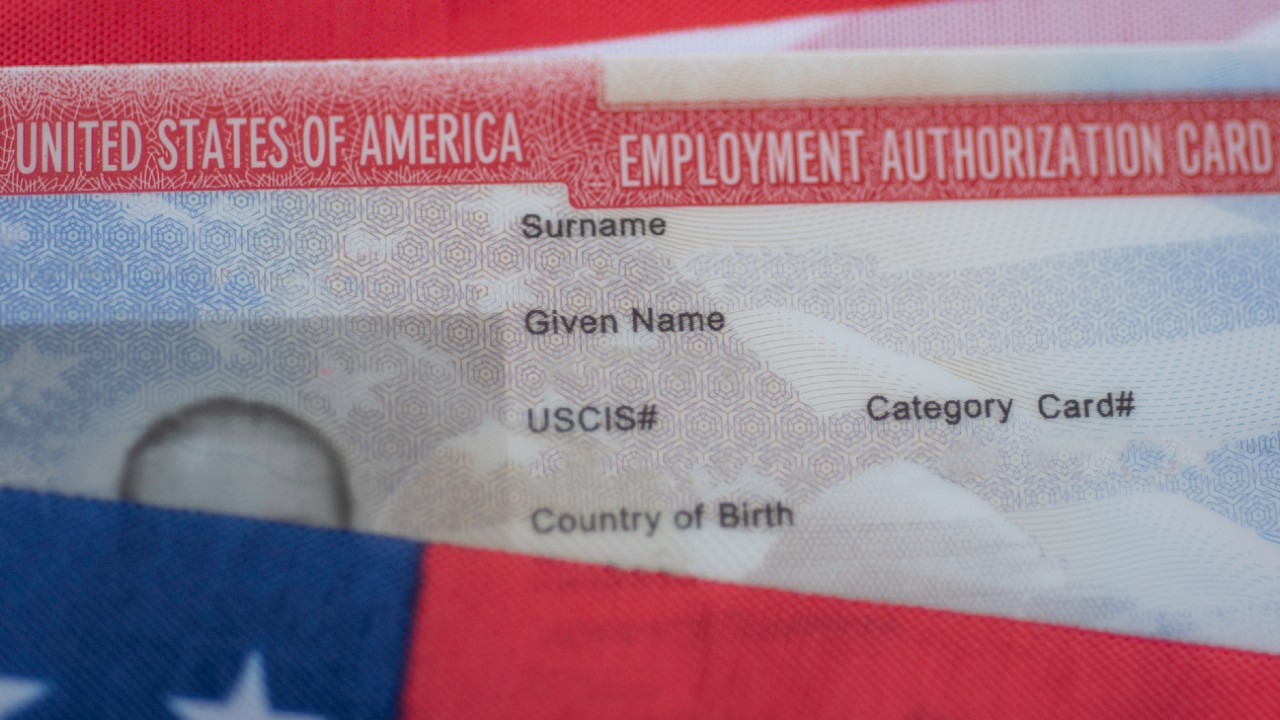
US Citizenship and Immigration Services has opened a consultation on plans to extend waiting times and tighten access to employment permits for asylum applicants, raising concerns about potential Labour Market impacts and increased hardship for vulnerable populations.
US Citizenship and Immigration Services is closing its public consultation on a proposed overhaul of work authorisations for asylum seekers, with the comment window ending at midnight on Friday, 24 April. The plan, first put forward in February by USCIS and the Department of Homeland Security, is intended to tighten access to employment permits for people with pending asylum claims, on the grounds that the system has been vulnerable to abuse.
If finalised, the rule would extend the waiting period before a first work permit application from 150 days to 365 days and give USCIS up to 180 days to process those initial requests, rather than 30. The proposal also appears to give the agency wider discretion to refuse applications, while introducing additional barriers for some people who entered the US on a visa or under another lawful status and did not meet a government officer within 48 hours. USCIS has said the overhaul is meant to address fraudulent filings and security concerns.
Immigration advocates have warned that the changes could effectively shut many asylum seekers out of the legal labour market for long stretches of time. The National Immigration Forum says that would push more people towards charity, local support networks and family assistance, while increasing the risk of poverty and unauthorised work. It also argues that employers could face sharper labour shortages and that federal finances could suffer, with the organisation estimating a loss of $7.43 billion. The American Immigration Council has separately said similar restrictions on employment authorisation risk disrupting work for thousands of people waiting for renewals, especially those in humanitarian categories.
For now, the proposal is not in force. The original USCIS guidance released in 2020 already set out a 365-day waiting period for asylum applicants before they could seek work authorisation, alongside biometrics requirements and other limits, but the current round of changes would go further by slowing access to permits and narrowing eligibility in practice. Existing work permits and asylum applications filed before the rule takes effect would not be affected, according to the report.
Source Reference Map
Inspired by headline at: [1]
Sources by paragraph:
– Paragraph 1: [2], [5], [7]
– Paragraph 2: [3], [5], [7]
– Paragraph 3: [2], [6], [7]
– Paragraph 4: [1], [3], [4]
Source: Noah Wire Services
Verification / Sources
- https://www.lanacion.com.ar/estados-unidos/visas-y-tramites/desde-hoy-uscis-avanza-con-una-regla-que-podria-cambiar-permisos-de-trabajo-y-asilo-en-eeuu-nid24042026/ – Please view link – unable to able to access data
- https://www.americanimmigrationcouncil.org/blog/uscis-ends-automatic-extensions-for-work-permits/ – On October 30, 2025, U.S. Citizenship and Immigration Services (USCIS) issued an interim final rule eliminating automatic extensions for work permits. Previously, timely filed renewal requests were granted an automatic extension of up to 180 days to prevent employment gaps during processing. The new rule, effective immediately, removes this extension, potentially causing delays for thousands of workers awaiting renewal approvals. The American Immigration Council highlights concerns that this change could disrupt employment for many individuals, especially those in Temporary Protected Status and asylum applicants, who constitute a significant portion of pending renewal requests.
- https://www.uscis.gov/sites/default/files/document/guides/FY-2020-Asylum-EAD-Reform-Rule-Small-Entity-Compliance-Guide.pdf – The U.S. Citizenship and Immigration Services (USCIS) has implemented a final rule affecting the Employment Authorization Document (EAD) process for asylum applicants. Key provisions include establishing a 365-day wait period to file for an EAD for individuals with pending asylum claims, requiring biometrics collection and related service fees for initial and renewal EADs, eliminating recommended approvals for affirmative asylum applications, and applying an illegal entry bar to EAD eligibility with limited exceptions. These changes aim to streamline the EAD process and address security concerns.
- https://www.visahq.com/news/2025-12-05/us/work-permit-validity-for-asylum-seekers-cut-from-five-years-to-18-months/ – In December 2025, U.S. Citizenship and Immigration Services (USCIS) issued an interim final rule reducing the validity period of Employment Authorization Documents (EADs) for asylum applicants and other humanitarian categories from five years to 18 months. This change, effective immediately, aims to provide more frequent opportunities to vet applicants for security concerns. While existing five-year EADs remain valid until their expiration, new applicants will receive EADs with the shorter validity period. Employers in sectors heavily reliant on asylum applicants express concerns about potential disruptions due to more frequent renewal cycles.
- https://www.visahq.com/news/2026-02-20/us/dhs-proposes-sweeping-overhaul-of-asylum-work-permit-rules/ – In February 2026, the Department of Homeland Security (DHS) proposed significant changes to the Employment Authorization Document (EAD) process for asylum applicants. The proposed rule includes extending the mandatory waiting period before an asylum seeker can file Form I-765 from 180 days to 365 days, granting U.S. Citizenship and Immigration Services (USCIS) the authority to pause acceptance of new EAD applications whenever average asylum-case processing exceeds six months, and imposing additional criminal-history and illegal-entry bars. These changes aim to address concerns about fraudulent asylum applications and resource constraints.
- https://www.shrm.org/topics-tools/news/talent-acquisition/uscis-proposal-restricts-work-authorization-for-asylum-seekers – In February 2026, U.S. Citizenship and Immigration Services (USCIS) proposed regulations that would significantly limit access to employment authorization for asylum seekers in the U.S. If finalized, the regulation would make it more difficult for an asylum applicant to obtain work authorization, delaying their ability to enter the workforce. In effect, asylum applicants would likely not be able to work at all while their application is pending, unless application processing times are reduced significantly. The proposal also aims to deter fraudulent asylum applications and reduce resource strain on USCIS.
- https://www.tracreports.org/reports/772/ – In April 2026, the Department of Homeland Security (DHS) proposed a new rule that would, in effect, eliminate work permits for most asylum applicants in the United States. The rule ties eligibility for work permits to a statutory 180-day asylum application processing time, a threshold that U.S. Citizenship and Immigration Services (USCIS) cannot meet under current resource constraints and is unlikely to meet for many years. If implemented, the rule would prevent asylum applicants from lawfully working while their applications are pending, severely limiting their ability to support themselves and stabilize their lives while awaiting adjudication of their claims.
Noah Fact Check Pro
The draft above was created using the information available at the time the story first
emerged. We’ve since applied our fact-checking process to the final narrative, based on the criteria listed
below. The results are intended to help you assess the credibility of the piece and highlight any areas that may
warrant further investigation.
Freshness check
Score: 8
Notes: The article from La Nación was published on April 24, 2026, coinciding with the public comment deadline for the proposed DHS rule. The content aligns with recent reports from other sources, such as the Asylum Seeker Advocacy Project (ASAP), which highlighted the potential for processing delays of up to 173 years under the new rule. (assets.ctfassets.net)
Quotes check
Score: 7
Notes: The article includes direct quotes from organizations like ASAP, which have been cited in other reputable sources. (assets.ctfassets.net) However, the exact wording of these quotes cannot be independently verified in the provided sources, raising concerns about their accuracy.
Source reliability
Score: 6
Notes: La Nación is a reputable Argentine newspaper. While it is a credible source, its primary audience is Spanish-speaking, and its coverage of US immigration policy may not be as comprehensive as US-based outlets.
Plausibility check
Score: 8
Notes: The claims about the proposed DHS rule are consistent with information from other sources, such as the DHS’s own publications and analyses from organizations like the Transactional Records Access Clearinghouse (TRAC). (tracreports.org)