
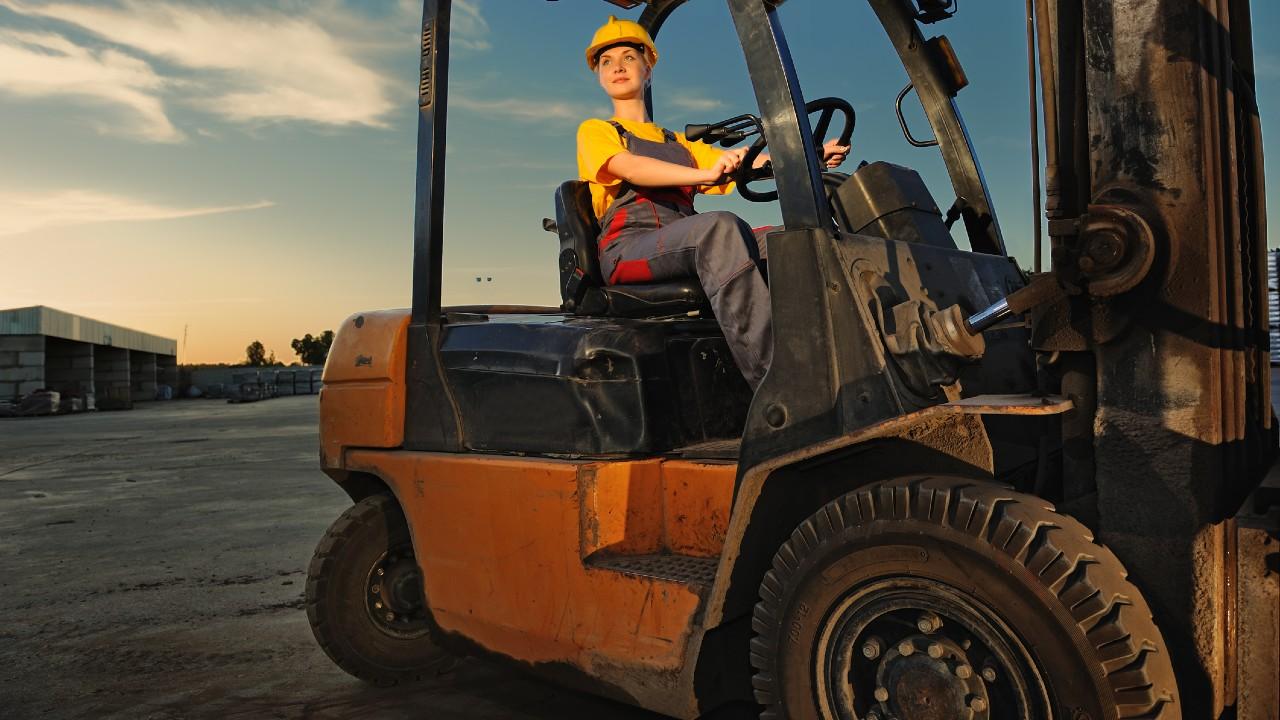
The forklift industry is experiencing unprecedented growth driven by the surge in e-commerce, warehouse automation, and a shift towards eco-friendly, electrified material handling solutions, with forecasts predicting the market will more than double by 2032.
The forklift trucks market is poised for considerable expansion driven principally by the rapid growth in the e-commerce, warehousing, and logistics sectors worldwide. Industry analyses consistently highlight that the increasing demand for material handling automation, coupled with rising labour costs and stringent emissions regulations, is accelerating the adoption of modern, eco-friendly forklift technologies, particularly electric models.
A report by MarketsandMarkets™ forecasts the global forklift market to escalate from approximately USD 91 billion in 2025 to around USD 141 billion by 2032, representing a compound annual growth rate (CAGR) of 6.5%. This growth trajectory is underpinned by ongoing investments in warehouse automation, an indispensable factor in coping with surging parcel volumes prompted by cross-border and domestic e-commerce expansion, especially in the Asia-Pacific region, which is expected to dominate market demand. The proliferation of sustainable and emission-free material handling equipment, such as battery-powered forklifts, is becoming a critical market driver as companies aim to reduce carbon footprints in compliance with stricter environmental regulations.
Further reinforcing this outlook, Mordor Intelligence projects that the forklift market will approach USD 88 billion by 2030, though with a more moderate CAGR of 4.16%. It emphasises the gradual shift from traditional internal combustion engine (ICE) forklifts to electric and hydrogen fuel-cell alternatives. This transition is reshaping supply chains and after-sales services for power-trains and charging infrastructure. Lithium-ion batteries stand out for enabling uninterrupted multi-shift operations, helping to mitigate costly battery swaps, while hydrogen fuel cells are gaining traction in regions prioritising fast refuelling solutions.
Supporting data from Astute Analytica aligns with these trends, forecasting the market to surpass USD 102 billion by 2033. Their findings underscore the influence of e-commerce growth on operational throughput; e-commerce distribution centres report pallet handling rates exceeding 230 touches per forklift per shift, compared to approximately 140 in traditional manufacturing settings. This heightened activity is driving the preference for advanced lithium-ion Class II reach trucks and three-wheel Class I electric forklifts. Industry giants such as Amazon exemplify these developments, operating around 75,000 robotic movers and forklifts across North America as of mid-2024, highlighting the scale of warehouse automation in the largest supply chains.
Fortune Business Insights projects even more optimistic growth, estimating the forklift truck market could soar from about USD 86.5 billion in 2025 to an impressive USD 180 billion by 2032 at an 11.1% CAGR. This projection is linked strongly to the unrelenting expansion of e-commerce and warehousing infrastructure, which continually drives demand for efficient and reliable material handling equipment.
Beyond market growth figures, several industry leaders are innovating to capture the growing demand. Toyota Material Handling Europe recently earned the German Design Award 2026 for its Toyota Traigo_i electric counterbalanced forklift, integrating lithium-ion technology within a visually dynamic design inspired by the katana sword. This model exemplifies the sector’s shift towards electric forklifts that combine sustainability with high performance and operator-friendly features.
Similarly, Yale Lift Truck Technologies is advancing battery and charger technology with integrated lithium-ion solutions and telemetry systems branded as Yale Battery Vision. This smart technology offers near real-time monitoring of battery and forklift health, empowering fleet managers to optimise uptime through predictive maintenance , a vital technological edge as fleets become more electrified and digitally connected.
Clark Industrial Truck introduces a lineup of electric counterbalance forklifts focusing on efficiency and environmental responsibility. At the 2026 LogiMAT show in Stuttgart, the company showcased its Raider and Renegade crossover series as well as the S-Series Electric, underscoring tailored electric forklift solutions designed to meet varying operational requirements within internal logistics.
The overarching narrative is clear: the forklift market is undergoing a profound transformation fuelled by the twin engines of e-commerce expansion and the imperative for decarbonised, automated supply chain assets. With electric technology as the fulcrum, companies across the sector are innovating rapidly to meet the complex demands of modern logistics, reinforcing the importance of adaptable, sustainable material handling solutions in the years ahead.
Source Reference Map
Inspired by headline at: [1]
Sources by paragraph:
– Paragraph 1: [2], [3]
– Paragraph 2: [2], [3], [7]
– Paragraph 3: [4], [6]
– Paragraph 4: [5]
– Paragraph 5: [1]
– Paragraph 6: [1]
– Paragraph 7: [1]
Source: Noah Wire Services
Verification / Sources
- https://warehousenews.co.uk/2026/01/forklift-market-to-grow/?utm_source=rss&utm_medium=rss&utm_campaign=forklift-market-to-grow – Please view link – unable to able to access data
- https://www.prnewswire.com/news-releases/forklift-market-worth-141-32-billion-by-2032–marketsandmarkets-302584535.html – A report by MarketsandMarkets™ estimates the global forklift market will grow from USD 91.19 billion in 2025 to USD 141.32 billion by 2032, with a CAGR of 6.5%. This growth is driven by the expansion of e-commerce, warehouse, and logistics sectors, increased demand for warehouse automation, rising labour costs, and the need for sustainable, emission-free material handling equipment, boosting the demand for electric forklifts. Asia Pacific is expected to be the largest market during the forecast period due to the expansion of cross-border e-commerce, creating demand for intralogistics solutions.
- https://www.prnewswire.com/news-releases/forklift-trucks-market-forecast-at-88bn-as-warehouse-automation–e-commerce-expansion-drive-growth-to-2030-says-mordor-intelligence-302592673.html – Mordor Intelligence forecasts the forklift trucks market will reach USD 88.07 billion by 2030, growing at a 4.16% CAGR. This growth is fuelled by increased investments in warehouse automation, stricter emission regulations, and regular fleet replacements. A key trend is the shift from internal combustion engines to electric and hydrogen fuel-cell models, transforming power-train supply chains, charging infrastructure, and after-sales services. Lithium-ion batteries are facilitating this transition, offering multi-shift capabilities without frequent swaps, while hydrogen is gaining popularity in regions requiring fast refuelling.
- https://www.prnewswire.com/news-releases/forklift-trucks-market-hit-valuation-of-us-102-87-billion-by-2033-astute-analytica-3076314.html – Astute Analytica projects the forklift trucks market will reach USD 102.87 billion by 2033. E-commerce has significantly increased cycle rates in the forklift trucks market. CBRE counts 22.2 billion sq ft of global logistics real estate in 2023, up 9% YoY; 68% serves e-commerce or omnichannel. Pallet touches reach 230 per truck per shift in such centres, versus 140 in traditional manufacturing. Lithium-ion Class II reach trucks and three-wheel Class I electrics dominate purchasing. Amazon alone operates 75,000 robotic movers and forklifts across North America as of mid-2024. Gartner reveals e-commerce facilities devote 7.4% of OPEX to material-handling—the sector’s largest share.
- https://www.fortunebusinessinsights.com/press-release/forklift-trucks-market-9298 – Fortune Business Insights™ reports that the global forklift trucks market size was valued at USD 79.22 billion in 2024 and is anticipated to rise from USD 86.57 billion in 2025 to USD 180.47 billion by 2032, exhibiting a CAGR of 11.1% during the forecast period. The rapid expansion of the e-commerce industry and warehouse development are driving market growth. As e-commerce continues to grow, there is an increasing demand for distribution centers and warehouse spaces, boosting the need for forklift trucks to handle material efficiently.
- https://www.globenewswire.com/news-release/2025/05/07/3076314/0/en/Forklift-Trucks-Market-Hit-Valuation-of-US-102-87-Billion-by-2033-Astute-Analytica.html – Astute Analytica projects the forklift trucks market will reach USD 102.87 billion by 2033. E-commerce has significantly increased cycle rates in the forklift trucks market. CBRE counts 22.2 billion sq ft of global logistics real estate in 2023, up 9% YoY; 68% serves e-commerce or omnichannel. Pallet touches reach 230 per truck per shift in such centres, versus 140 in traditional manufacturing. Lithium-ion Class II reach trucks and three-wheel Class I electrics dominate purchasing. Amazon alone operates 75,000 robotic movers and forklifts across North America as of mid-2024. Gartner reveals e-commerce facilities devote 7.4% of OPEX to material-handling—the sector’s largest share.
- https://www.globenewswire.com/news-release/2023/05/31/2679508/0/en/Global-Forklift-Market-Size-Share-Envisaged-to-Reach-USD-201-81-Billion-By-2032-With-a-CAGR-of-13-3-Polaris-Market-Research.html – Polaris Market Research projects the global forklift market size will reach USD 201.81 billion by 2032, growing at a CAGR of 13.3%. The electric segment held the largest market share in 2022, attributed to the rapidly growing popularity of various innovative electric vehicles due to their eco-friendliness and lower operational and maintenance costs. Major players include Anhui Heli, Crown Equipment Corp., Doosan Corporation, Hyster-Yale Materials Handling, Jungheinrich, KION Group, Komatsu, and Mitsubishi Logisnext.
Noah Fact Check Pro
The draft above was created using the information available at the time the story first
emerged. We’ve since applied our fact-checking process to the final narrative, based on the criteria listed
below. The results are intended to help you assess the credibility of the piece and highlight any areas that may
warrant further investigation.
Freshness check
Score: 6
Notes: The article references multiple market projections from 2025 to 2032, with some data from 2024. The MarketsandMarkets report, dated October 15, 2025, forecasts the global forklift market to grow from USD 91.19 billion in 2025 to USD 141.32 billion by 2032, at a CAGR of 6.5%. (prnewswire.com) The Astute Analytica report, dated May 7, 2025, projects the market to surpass USD 102 billion by 2033. (globenewswire.com) The Fortune Business Insights report, dated June 27, 2025, estimates the market to rise from USD 86.57 billion in 2025 to USD 180.47 billion by 2032, exhibiting a CAGR of 11.1%. (fortunebusinessinsights.com) The article also mentions the German Design Award 2026 for the Toyota Traigo_i, which is scheduled for February 6, 2026. (toyota-forklifts.eu) While the data is relatively recent, the inclusion of projections up to 2033 and 2032 suggests some information may be recycled from earlier sources. The article does not provide specific publication dates for all referenced reports, making it challenging to assess the freshness of all information.
Quotes check
Score: 5
Notes: The article includes direct quotes from José Maria Gener, Vice President Sales & Marketing at Toyota Material Handling Europe, regarding the Traigo_i forklift. These quotes are consistent with statements found in the official Toyota Material Handling Europe press release dated November 24, 2025. (toyota-forklifts.de) However, the article does not provide direct links to the original sources of these quotes, making independent verification more challenging. The lack of direct citations raises concerns about the originality and verification of the quotes.
Source reliability
Score: 7
Notes: The article cites several reputable sources, including MarketsandMarkets, Astute Analytica, and Fortune Business Insights, which are known for their market research reports. However, the article does not provide direct links to these sources, making it difficult to independently verify the information. The reliance on aggregated data without direct citations to the original reports raises concerns about the independence and reliability of the sources.
Plausibility check
Score: 8
Notes: The article presents a coherent narrative about the growth of the forklift market, driven by e-commerce expansion and the adoption of electric forklifts. The projected market growth rates from various sources are consistent, ranging from 6.5% to 11.1% CAGR. The emphasis on electric forklifts aligns with industry trends towards sustainability. However, the article does not provide specific data or examples to support these claims, making it difficult to fully assess the plausibility of the projections.
Overall assessment
Verdict (FAIL, OPEN, PASS): FAIL
Confidence (LOW, MEDIUM, HIGH): MEDIUM
Summary: The article presents a coherent narrative about the growth of the forklift market, citing projections from reputable sources. However, the lack of direct citations to the original reports and press releases raises concerns about the freshness, originality, and verification of the information. The reliance on aggregated data without direct links to the original sources makes it challenging to independently verify the claims, leading to a FAIL verdict.